 American Meteor Society

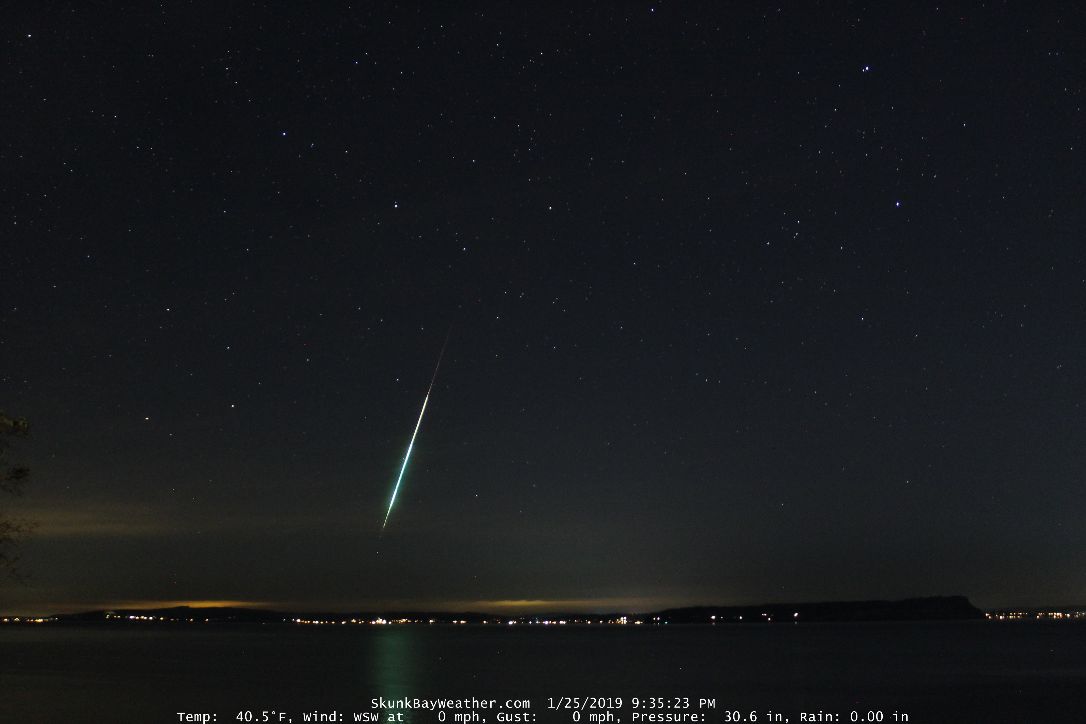
Meteorite hits Cuba with huge sonic boom
Meteorite Fall confirmed next to Viñales, Cuba on February, 1st 2019: maps, photos and videos
Meteorite Fall confirmed next to Viñales, Cuba on February, 1st 2019: maps, photos and videos
During this period the moon will reach its new phase on Monday February 4th. At this time the moon will be located near the sun and will be invisible at night. As the week progresses the waxing crescent moon will enter the evening sky. It will be so thin and will set early that it will not interfere with the viewing of meteor activity during this period.
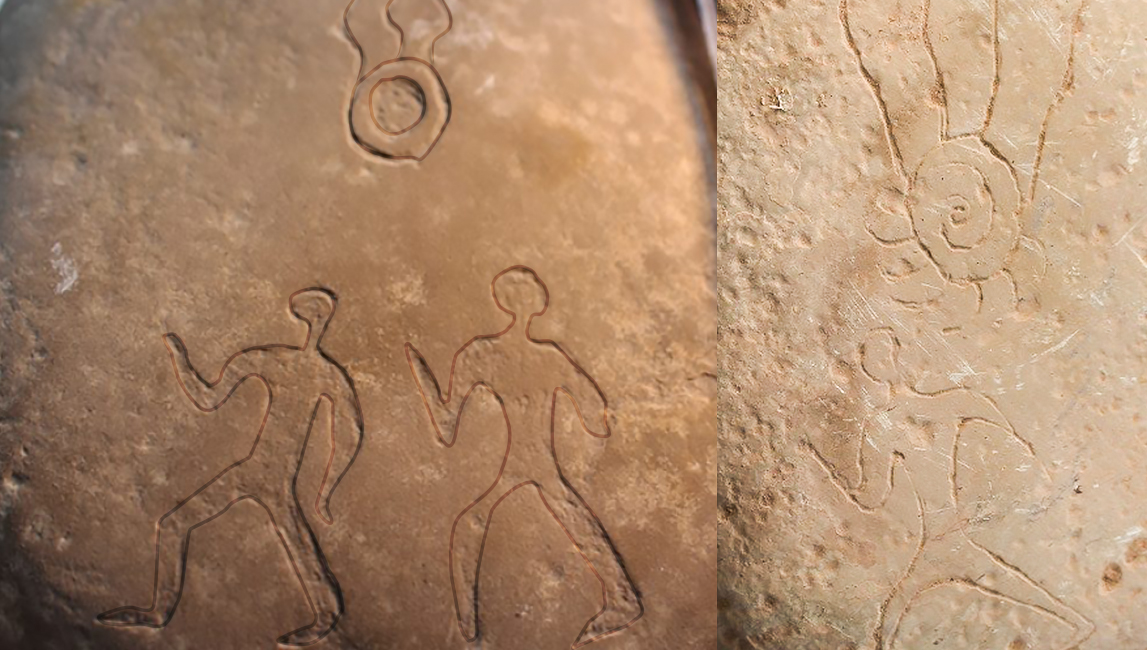
Five Moroccan researchers discovered petroglyphs of what it looks like meteors falling to Earth, suggesting that ancient Moroccans had witnessed meteorite falls.
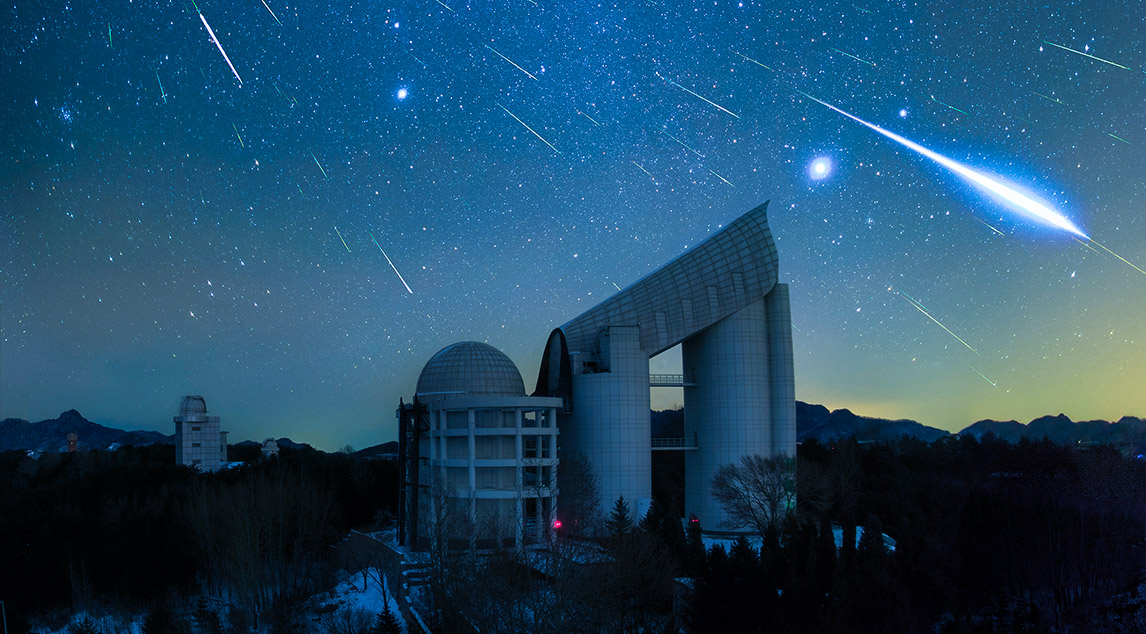
The Earth encounters Quadrantid meteors from December 22 through January 17. Rates are extremely low away from the January 4 maximum. For 2019, the maximum is expected to occur near 02:30 Universal Time (UT) on January 4.
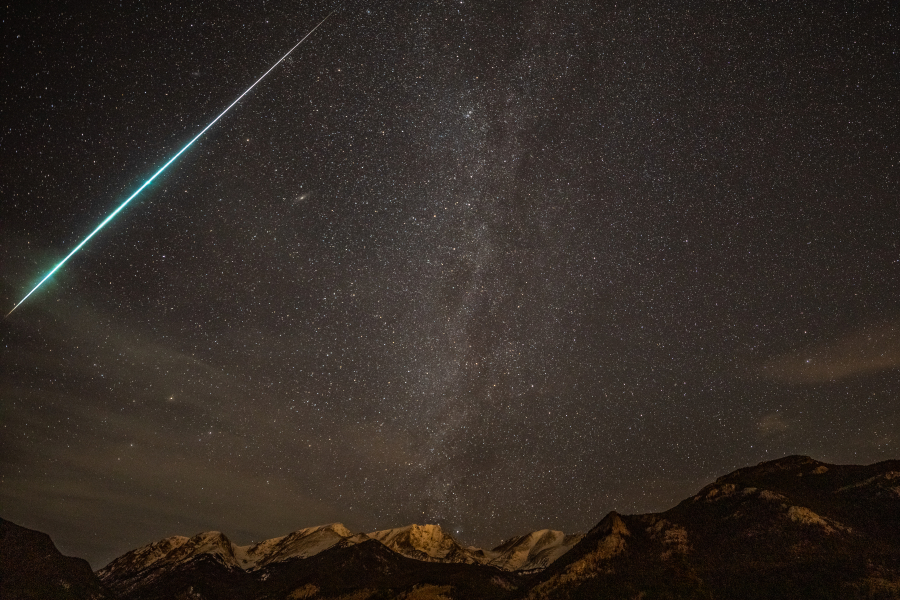
During this period the moon will reach its full phase on Saturday December 22nd. At this time the moon will lie above the horizon all night long for observers in the northern hemisphere. This will make viewing meteor activity difficult at the very least.

During this period the moon will reach its first quarter phase on Saturday December 15th. At this time the half-illuminated moon will set between 11-12am local standard time for observers in mid-northern latitudes. This will compromise evening observations of meteors but the more active morning hours will be unaffected. As the week progresses the waxing gibbous moon will set later and later, limiting the time of truly dark sky to the hours just before dawn.
During this period the moon will wax from a slender crescent phase to nearly half illuminated. This will be a great time to view meteor activity as the moon will have set by the time the more active morning hours arrive. The moon will be present during the evening hours but successful meteor observing is still possible during this time by simply keeping the moon out of your field of view.

During this period the moon will reach its new phase on Friday December 7th. At this time the moon will be located near the sun and will be invisible at night. This weekend the waning crescent moon will rise during the early morning hours but successful meteor observing is still possible by simply keeping the moon out of your field of view.

During this period the moon will reach its last quarter phase on Thursday November 29th. At this time the moon will be located 90 degrees west of the sun and will rise near midnight local standard time. This weekend the waning gibbous moon will rise shortly after dusk making it difficult to view meteor activity the remainder of the night.

During this period the moon will reach its new phase on Wednesday November 7th. At this time the moon will be located near the sun and will be invisible at night. This weekend the waning crescent moon will rise during the early morning hours but will not cause any problems viewing meteors as long as you keep it out of your field of view.
The estimated total hourly meteor rates for evening observers this week is near 3 for those viewing from the northern hemisphere and 2 for those located south of the equator. For morning observers the estimated total hourly rates should be near 18 as seen from mid-northern latitudes and 13 from the southern tropics. Rates are reduced during this period due to moonlight.

During this period the moon will reach its new phase on Tuesday October 9th. At this time the moon will be located near the sun and will be invisible at night. This weekend the waning crescent moon will rise just before dawn and will not interfere with viewing meteor activity.

During this period the moon will reach its last quarter phase on Tuesday October 2nd. At this time the moon will be located 90 degrees west of the sun and will rise between 2300 (11pm) and 0000 (midnight) local summer time (LST). This weekend the waning gibbous moon will rise during the late evening hours. This will hamper meteor observations the remainder of the night as the bright moonlight will obscure all but the brightest meteors. Conditions improve with each passing night as the moon wanes and rises later.
During this period the moon will reach its new phase on Sunday September 9th. At that time the moon will lie near the sun in the sky and will be invisible at night. As the week progresses the waxing crescent moon will enter the evening sky but will not interfere with viewing meteor activity.

During this period the moon will reach its last quarter phase on Saturday August 4th. This is good for evening observations but once the moon rises during the early morning hours, conditions will be less than ideal. These conditions improve with each passing night to where there is little lunar interference at the end of this period.

During this period the moon will wane from it's nearly full phase down to almost half-illuminated. This weekend the moon will rise shortly after dusk and will rise approximately 45 minutes later each night. Although meteor activity is strong this time of year the bright moon will obscure all but the brighter meteors.

During this period the moon will reach it's full phase on Friday July 27th. At that time the moon will be located opposite the sun and will lie above the horizon most of the night. This weekend the waxing gibbous moon will set during the early morning hours allowing a few hours of dark skies in which to watch meteor activity under good conditions.

During this period the moon will reach it's first quarter phase on Thursday July 19th. At that time the moon will be located 90 degrees east of the sun and will set around 0100 local daylight saving time (DST). This weekend the waxing crescent moon will set during the early evening hours and will not interfere with meteor viewing.
During this period the moon will reach it's first quarter phase on Wednesday June 20th. At that time the moon will be located 90 degrees east of the sun and will set near 0100 local daylight saving time (LDT). This will cause interference with evening meteor viewing but the more active morning hours will be free of moonlight. This weekend the waxing crescent moon will set prior to midnight allowing good views of the morning activity.
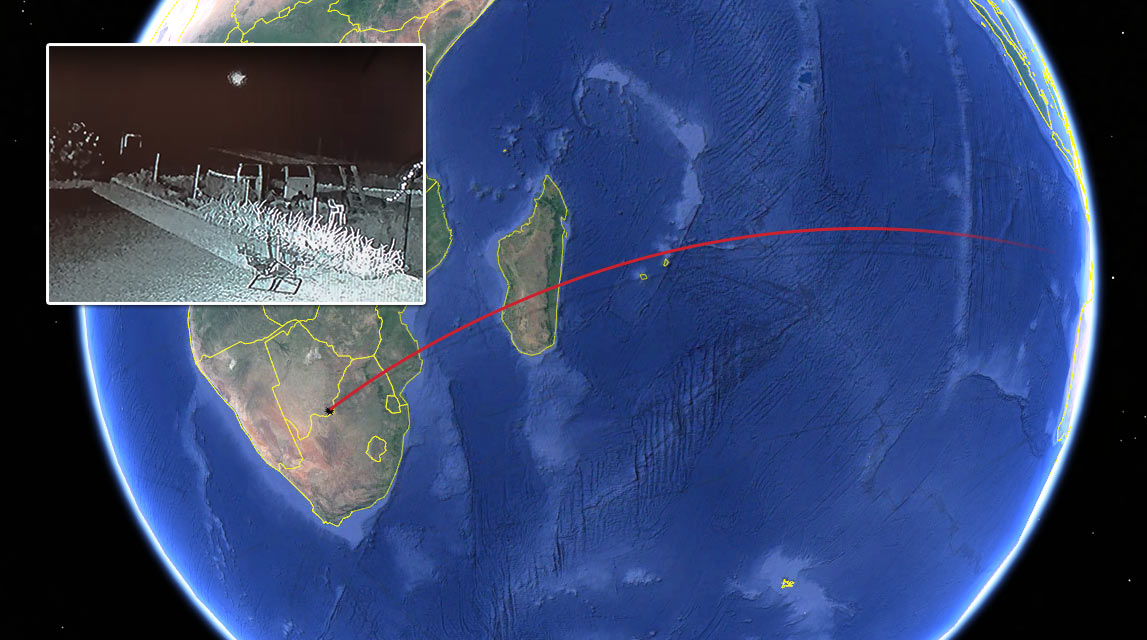
A small asteroid discovered Saturday morning, determined to head for Earth, impacted the planet's atmosphere just a few hours later on June 2nd over Botswana.

During this period the moon will reach it's full phase on Tuesday May 29th. At that time the moon will be located opposite the sun and remain above the horizon most of the night. This weekend the waxing gibbous moon will set during the late morning hours, giving a small window of opportunity to view meteor activity between moonset and the start of morning twilight.