 American Meteor Society
Meteor Activity Outlook for August 27- September 2, 2022
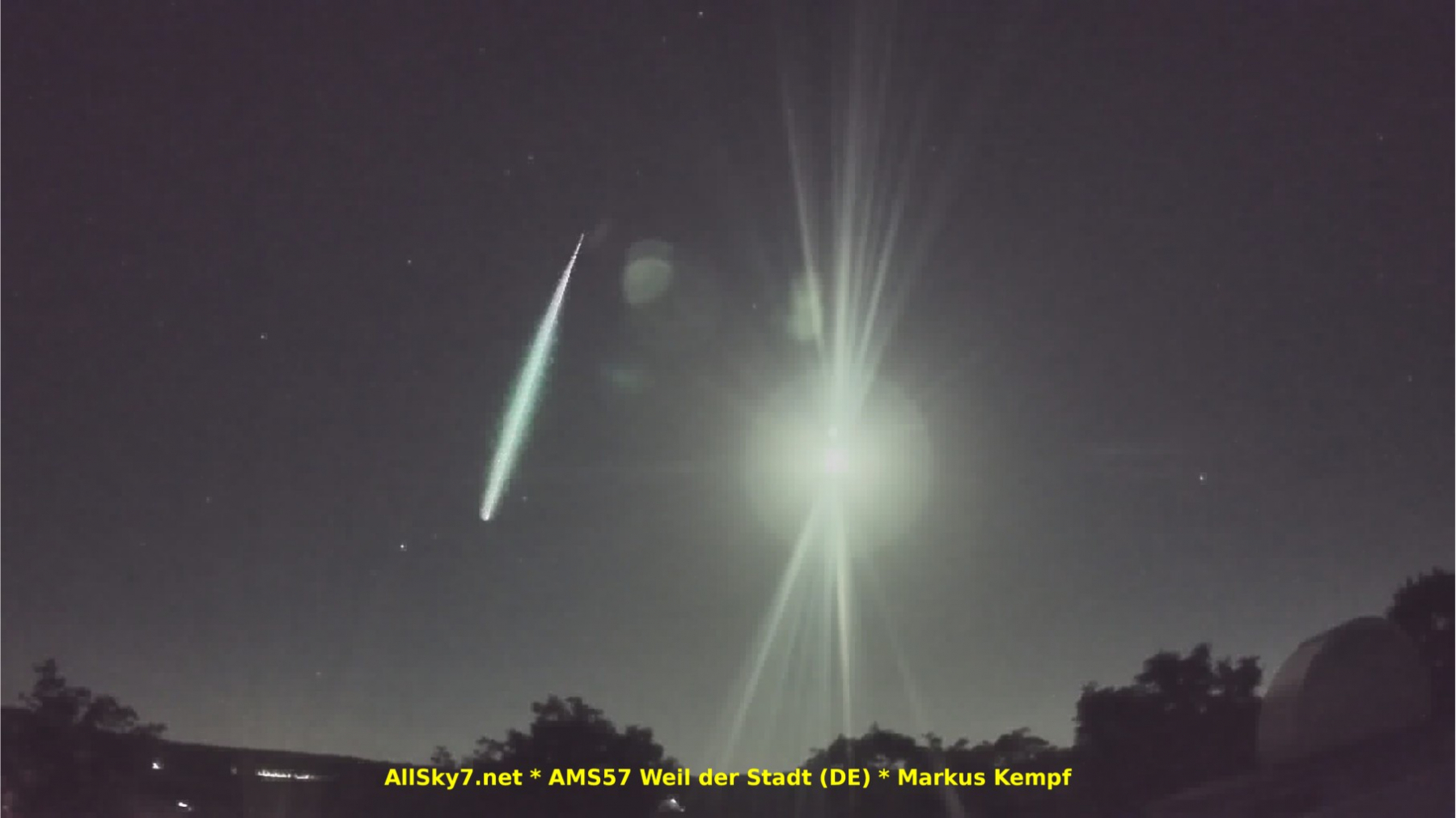
Here is another view of the same fireball that was presented last week. As seen from Weil der Stadt, Germany,…
Here is another view of the same fireball that was presented last week. As seen from Weil der Stadt, Germany,…
During this period evening skies will be free of interfering moonlight, but morning observers must take care to avoid the moon within their field of view. The moon rises later with each passing night enlarging the window of opportunity to view meteor activity under darker skies.
During this period, the moon reaches its first quarter phase on Sunday August 15th. At that time the moon lies 90 degrees east of the sun and sets near 23:00 local daylight saving time (on Aug. 14). As the week progresses the waxing gibbous moon sets later and later, diminishing the available time of dark sky with each passing night.
During this period, the moon reaches its new phase on Wednesday August 19th. At this time, the moon is located near the sun and is invisible at night. This weekend the waning crescent moon will rise during the early morning hours but will be too thin to interfere with meteor observing.
During this period, the moon reaches its last quarter phase on Tuesday August 11th. At this time, the moon is located 90 degrees west of the sun and rises between 23:00 and midnight local daylight saving time (LDST on August 10/11) . This weekend the waning gibbous moon will rise during the late evening hours, allowing a short but dark glimpse of the early August activity between dusk and moonrise.
Our friends at the IMO just released their annual meteor shower calendar for 2021: everything you need to know about 2021 meteor activity in 28 pages.
During this period, the moon reaches its first quarter phase on Monday July 27th. At this time, the moon is located 90 degrees east of the sun and sets near midnight. This weekend the more active morning sky will be totally free of interfering moonlight. As the week progresses though, only the few hours just prior to dawn will provide dark skies.

During this period, the moon reaches its new phase on Tuesday July 21st. At this time, the moon is located near the sun and is invisible at night. The moon will be located near the sun during this entire period; therefore, meteor observations can be held at any time of the night without lunar interference.

During this period, the moon reaches its last quarter phase on Monday July 13th. At this time, the moon is located 90 degrees west of the sun and rises near 0100 local daylight saving time (LDST). As the week progresses the waning crescent moon rises later in the morning with each passing night. This allows the window of dark skies to increase as the week progresses. The most active hours just prior to dawn will have slight interference from moonlight but one can overcome this simply facing in a direction where the moon is not visible within your field of view.
During this period the moon reaches its full phase on Tuesday April 7th. At this time the moon lies opposite the sun and will be above the horizon all night long. This weekend the waxing gibbous moon will set during the morning hours allowing meteor observers a short window of opportunity to view under dark skies just before dawn.

During this period the moon waxes from a half-illuminated phase to nearly full. This weekend the waxing gibbous moon will set during the early morning, allowing a few hours of viewing under dark skies.
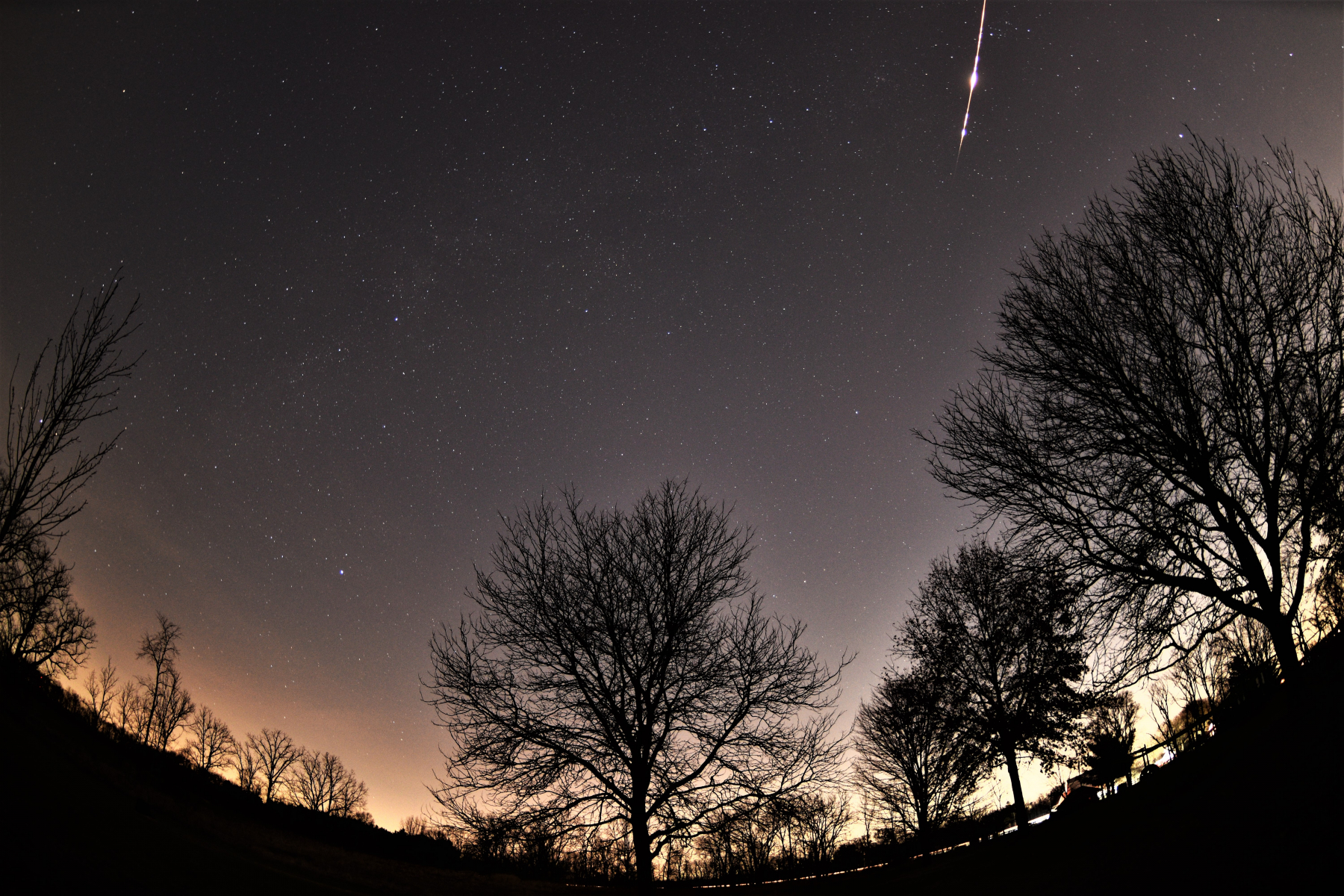
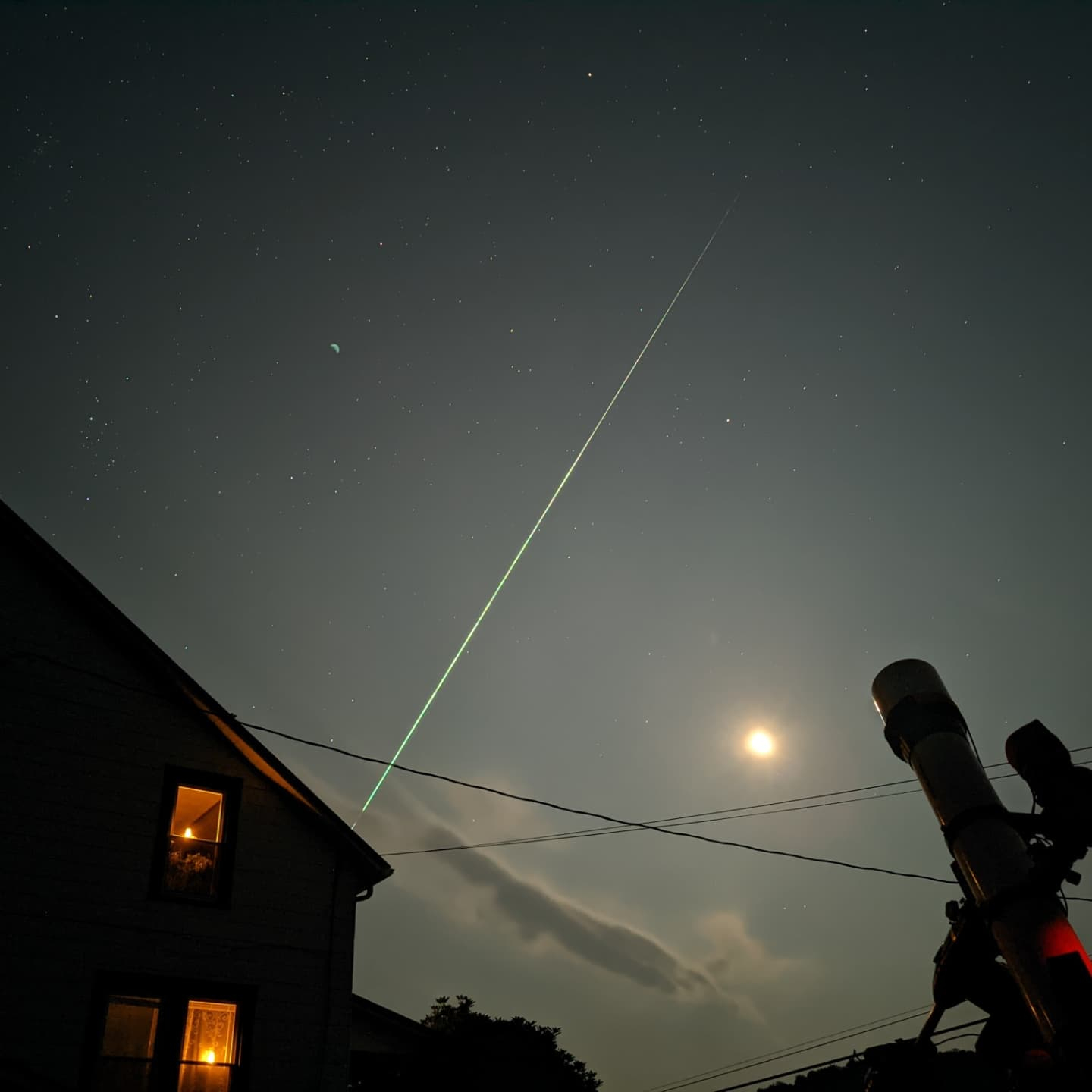
Samer Hariri captured this flaring fireball on December 23, 2019 at 18:58 EST from Northville, Michigan USA. ©Samer Hariri During…

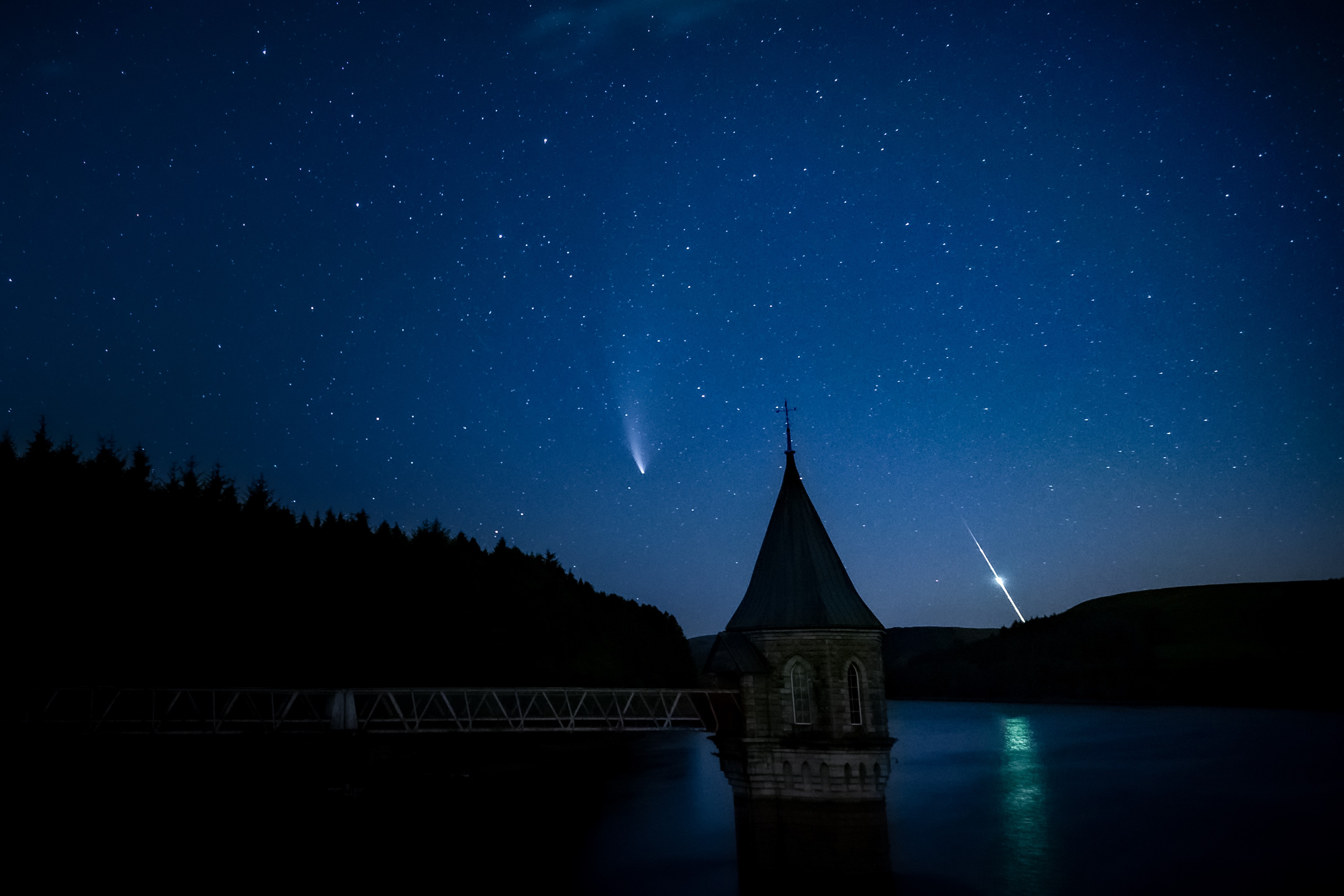
Many composite images have been made of the Perseids and Geminids. Have you ever seen one of a minor shower?…

During this period the moon reaches its new phase on Friday August 30th. On that date the moon is located near the sun and is invisible at night. This weekend the nearly half-illuminated moon will rise during the early morning hours. While the moonlight in the morning sky will be bothersome, successful meteor observations can still be undertaken by simply keeping the moon out of your field of view.

During this period the moon reaches its full phase on Thursday August 15th. On that date the moon is located opposite the sun and lies above the horizon all night long. This weekend the waxing gibbous moon will set during the early morning hours, giving a small window of opportunity to view in dark skies while the moon is low in the west or below the horizon.
During this period the moon reaches its first quarter phase on Wednesday August 7th. On that date the moon is located 90 degrees east of the sun and will set near midnight local summer time. This weekend the waxing crescent moon will set during the late evening hours and will not interfere with viewing meteor activity.

The estimated total hourly meteor rates for evening observers this week is near 4 for those viewing from the southern hemisphere and 4 for those located north of the equator. For morning observers the estimated total hourly rates should be near 17 as seen from mid-northern latitudes (45N) and 14 as seen from tropical southern locations (25S) .

During this period the moon reaches its last quarter phase on Wednesday July 24th. On that date the moon is located 90 degrees west of the sun and rises near 0100 local daylight saving time (LDST). This weekend the waning gibbous moon will rise during the late evening hours and will interfere with viewing meteor activity during the more active morning hours. In fact the moon will be a nuisance during this entire period. One can either view during the slow evening hours prior to moonrise or view during the more active morning hours, keeping the moon well out of your field of view.
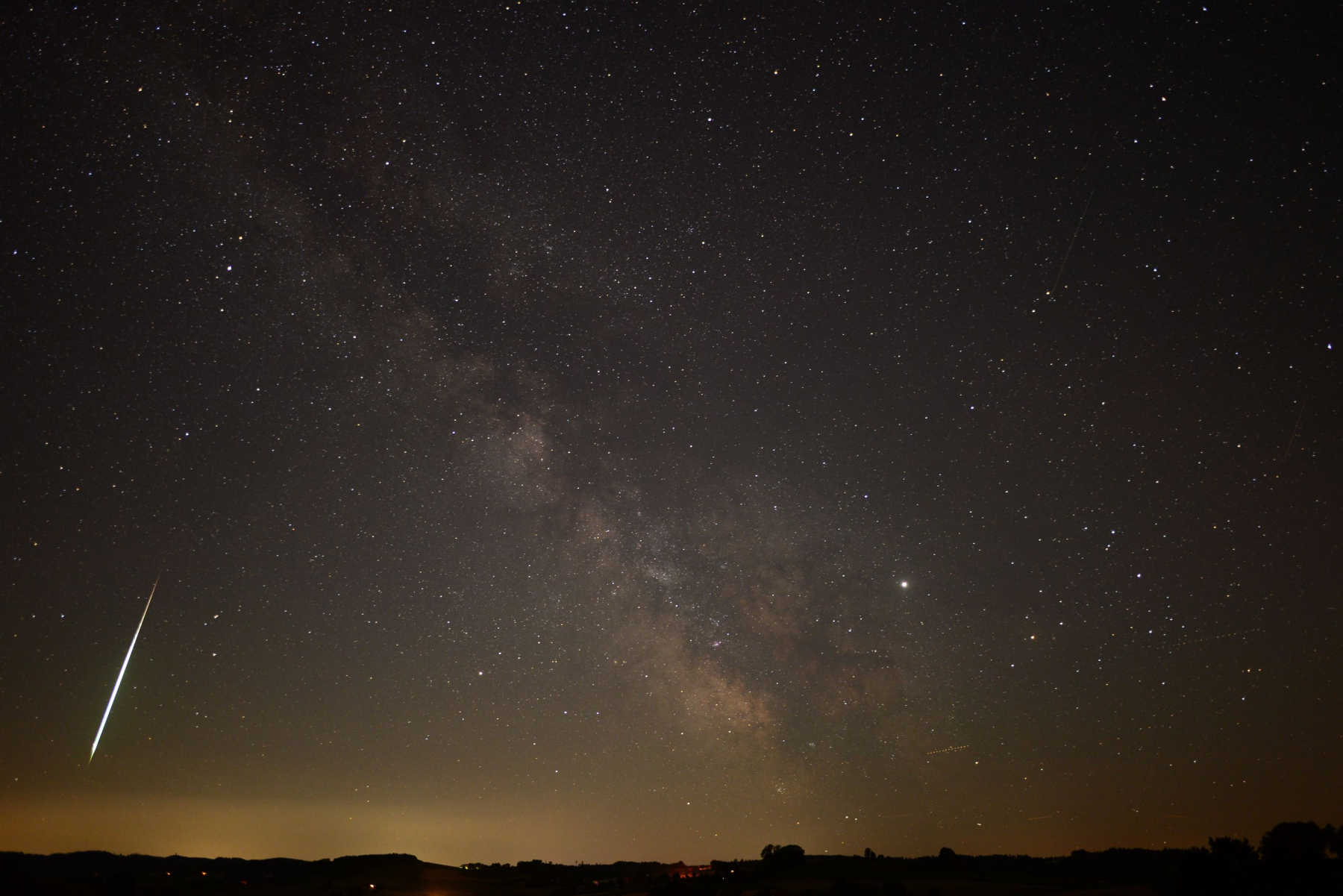
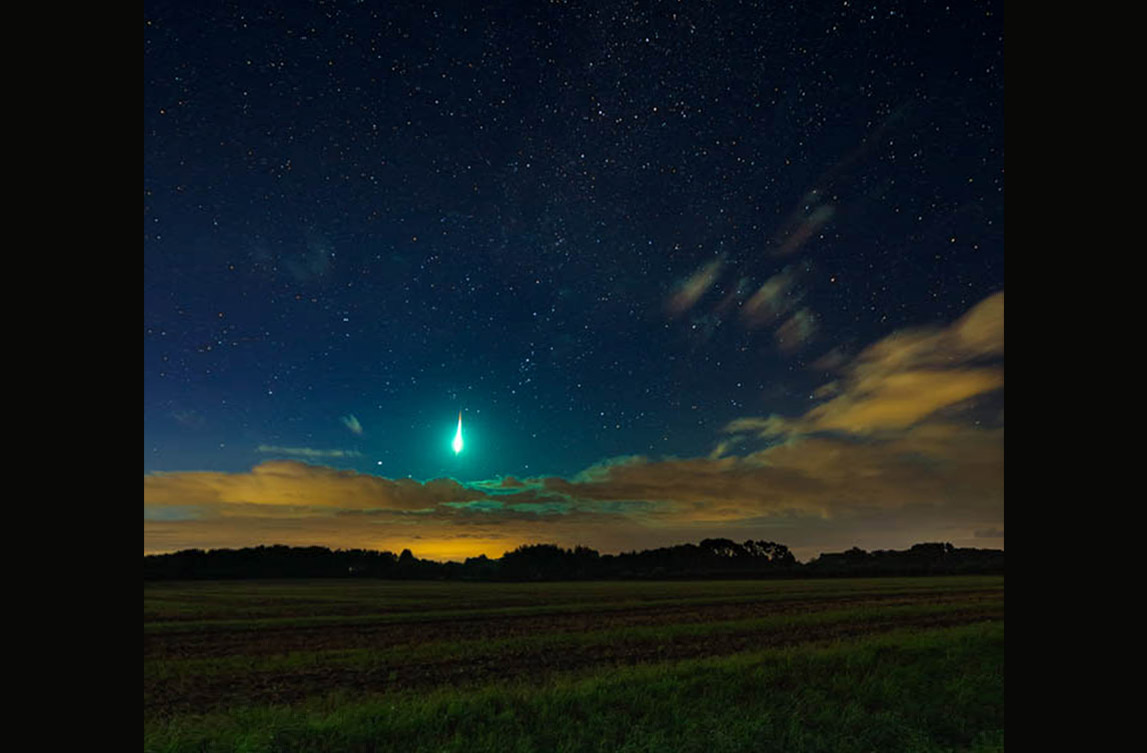
Christian Koll captured this fine fireball at 21:42 Universal Time on June 28, 2019 from Litzlham, Oberösterreich,…
During this period the moon will reach its new phase on Friday April 5th. This weekend and for most of the week, the waning crescent moon will rise during the early morning hours but will not interfere with meteor observing as long as you keep the moon out of your field of view.
During this period the moon will reach its first quarter phase on Monday January 14th. At this time the moon will be located 90 degrees east of the sun and will set near midnight local standard time (LST) as seen from mid-northern latitudes. As the week progresses the waxing gibbous moon will set later in the morning, encroaching on the more active morning hours.