 American Meteor Society
Meteor Activity Outlook for Feb 27-March 4, 2016
As seen from the northern hemisphere, March is the slowest month for meteor activity. No major annual showers are active and only a few very weak minor showers produce activity this month.
As seen from the northern hemisphere, March is the slowest month for meteor activity. No major annual showers are active and only a few very weak minor showers produce activity this month.
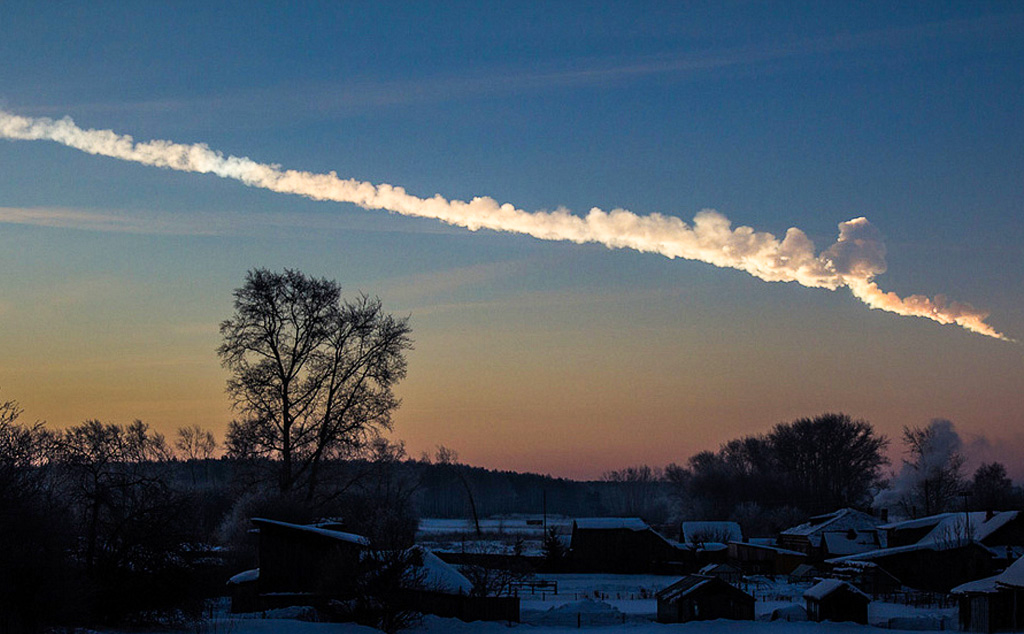
For morning observers the estimated total hourly rates should be near 4 as seen from mid-northern latitudes (45N) and 8 as seen from tropical southern locations (25S)... It's a slow week for meteors: watch for fireballs!
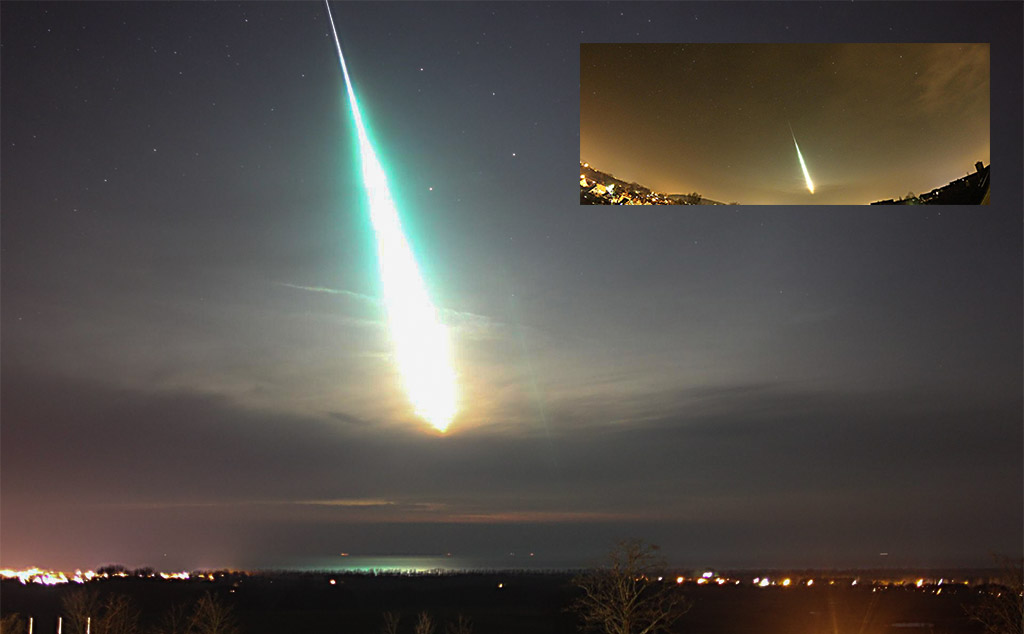
The estimated total hourly meteor rates for evening observers this week is near 3 for observers located in the northern hemisphere and 4 for observers located south of the equator. For morning observers the estimated total hourly rates should be near 9 as seen from mid-northern latitudes...
During this period the moon reaches its new phase on Monday February 8th. On that date the moon will be located near the sun and will not be visible at night. As the week progresses the waxing crescent moon will enter the evening sky but will not cause any problems to meteor observers.

For morning observers the estimated total hourly rates should be near 9 as seen from mid-northern latitudes (45N) and 10 as seen from tropical southern locations (25S). The actual rates will also depend on factors such as personal light and motion perception...
For morning observers the estimated total hourly rates should be near 11 as seen from mid-northern latitudes (45N) and 10 as seen from tropical southern locations (25S). The actual rates will also depend on factors such as personal light and motion perception, etc.
For morning observers the estimated total hourly rates for this week should be near 16 as seen from mid-northern latitudes (45N) and 8 as seen from tropical southern locations (25S).
For morning observers the estimated total hourly rates should be near 16 as seen from mid-northern latitudes (45N) and 8 as seen from tropical southern locations (25S).

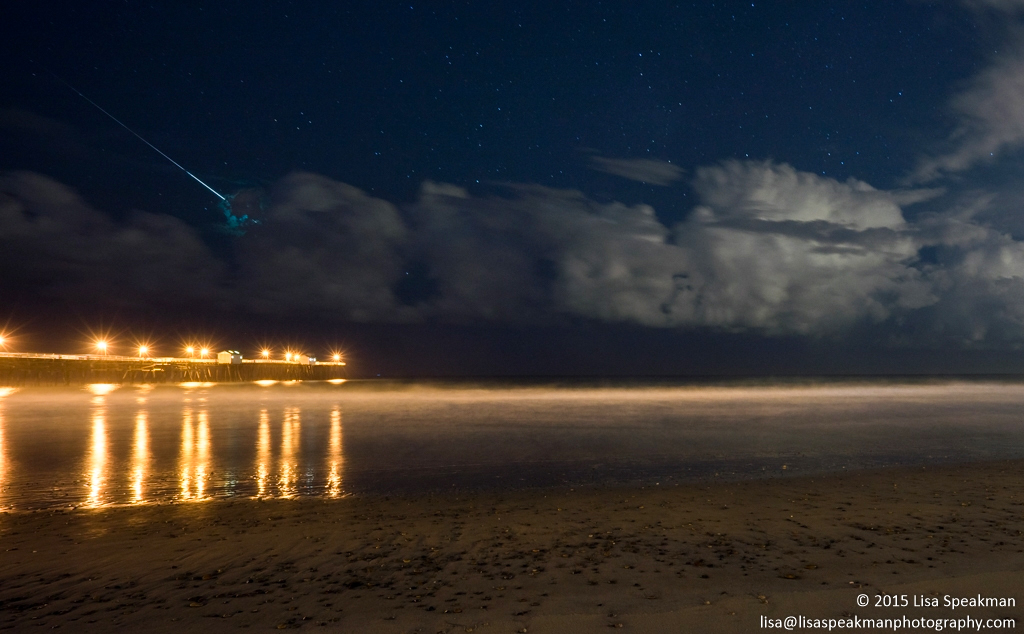
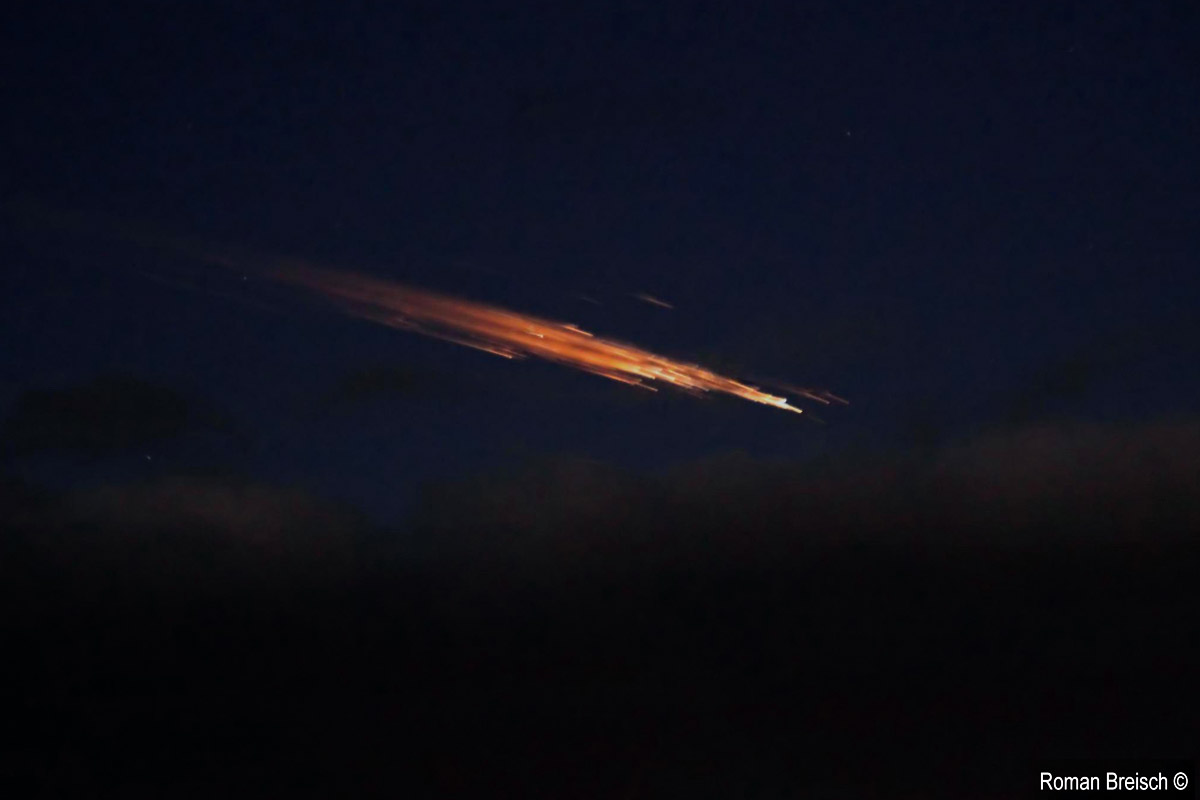
The American Meteor Society received more than 50 reports of a bright object over California, Nevada and Arizona on Tuesday, December 22th around 18:10 PST.
For morning observers the estimated total hourly rates should be near 70 as seen from mid-northern latitudes (45N) and 30 as seen from tropical southern locations (25S).
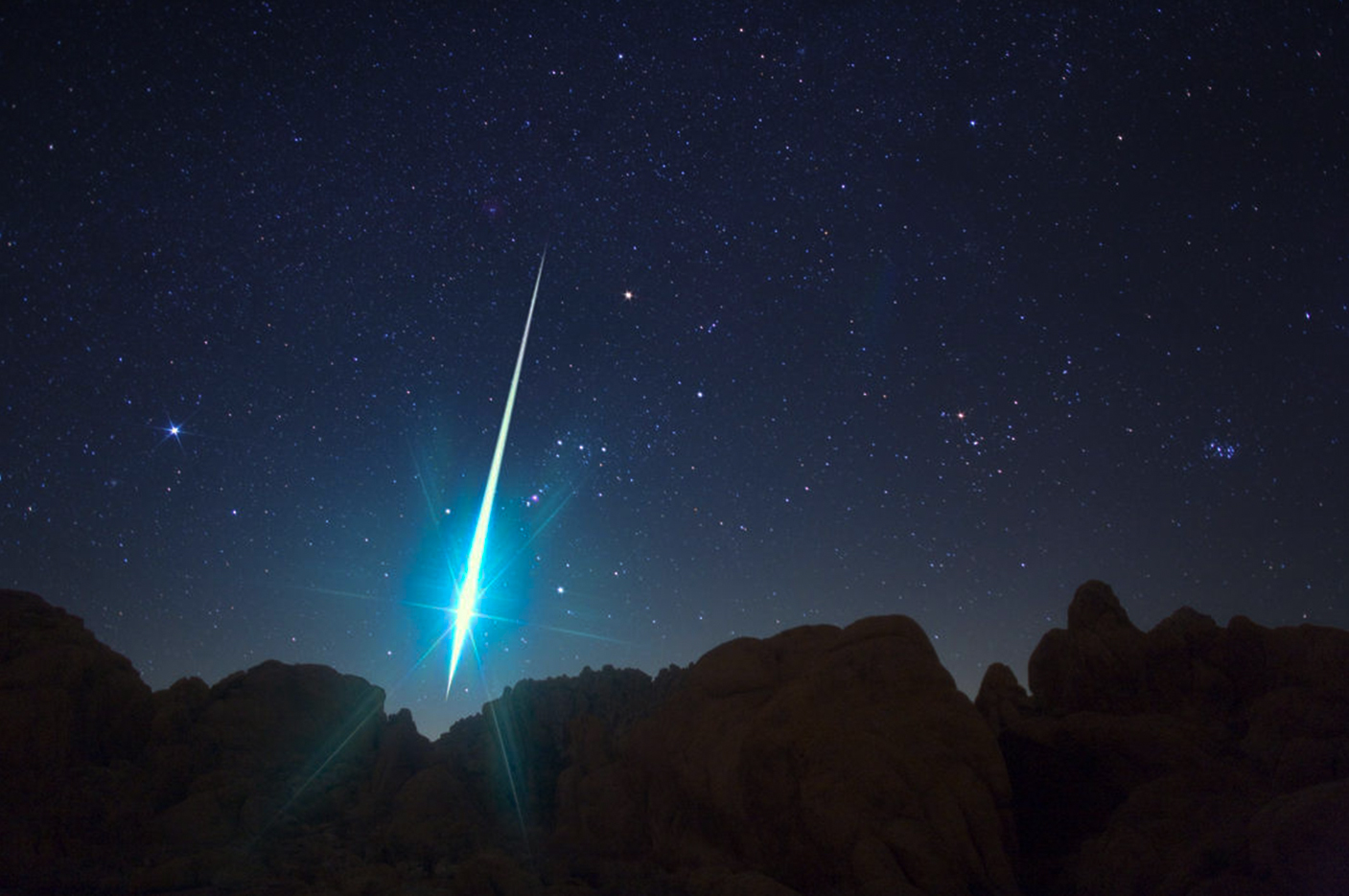
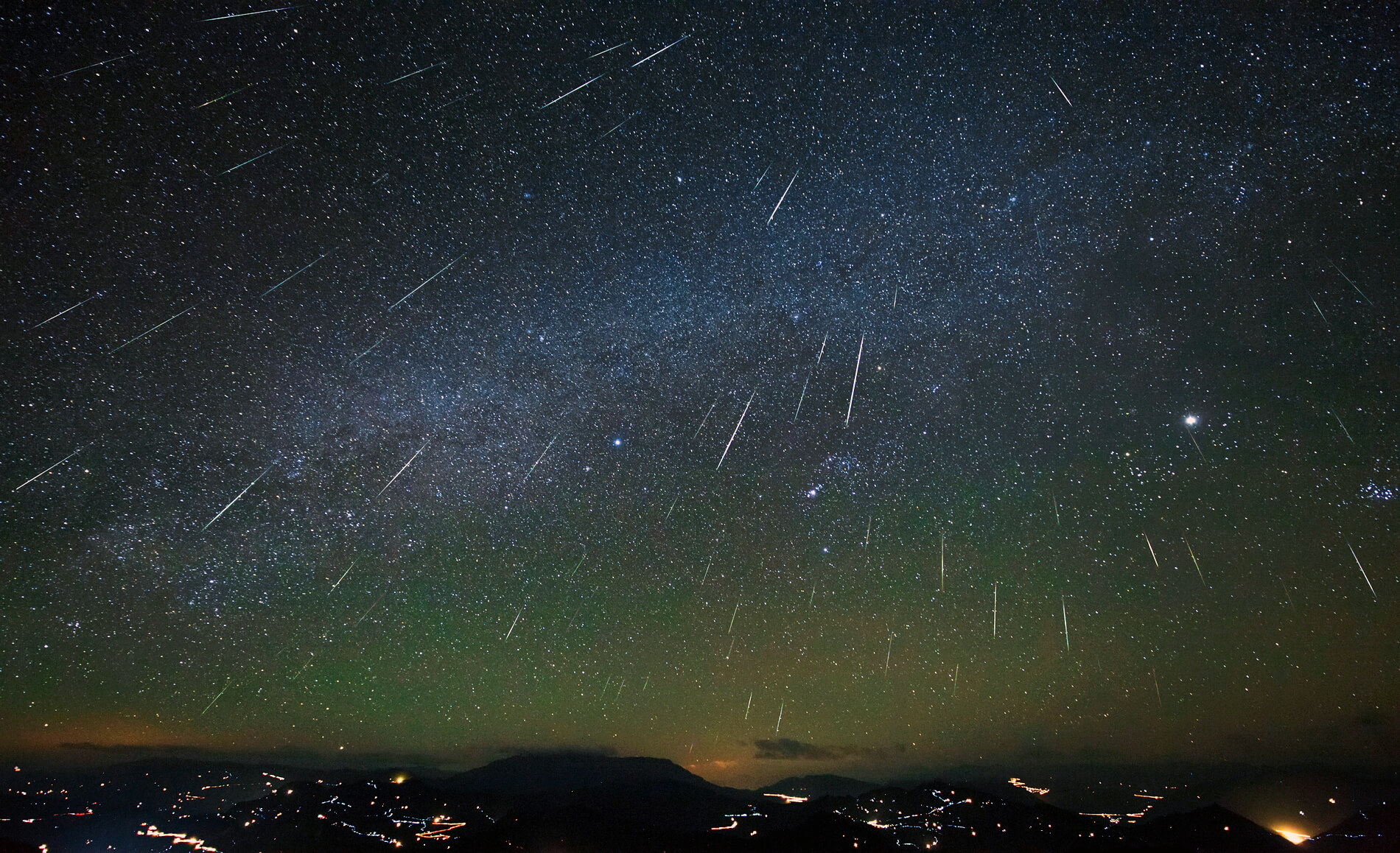
The Geminid meteor shower is the favorite of most meteor observers as it usually provides the strongest display of the year. On the peak night (December 13/14) between the hours of 1:00 and 2:00am local standard time (LST)...

The estimated total hourly meteor rates for evening observers this week is near 4 as seen from mid-northern latitudes (45N) and 3 as seen from tropical southern locations (25S).

Active meteor showers are listed for the upcoming week.

For morning observers the estimated total hourly rates should be near 20 as seen from mid-northern latitudes (45N) and 13 as seen from tropical southern locations (25S).

During this period the moon reaches its first quarter phase on Wednesday November 18th. On that date the moon will be located 90 degrees east of the sun and will set near 2300 (11pm) Local Standard Time (LST) as seen from mid-northern latitudes.
Photo of AMS Event#2824-2015 Oct 31st 2015, Czernice Borowe, Poland © Grzegorz Zieleniecki Radiant Positions at 8pm Local Standard Time…
The Orionids The Orionids, like all meteor showers, are named after the constellation in which they appear to come from,…
Bright Meteor over Los Alamos, NM – August 2013 © John Fowler Radiant Positions at 9pm Local Daylight Time Radiant…
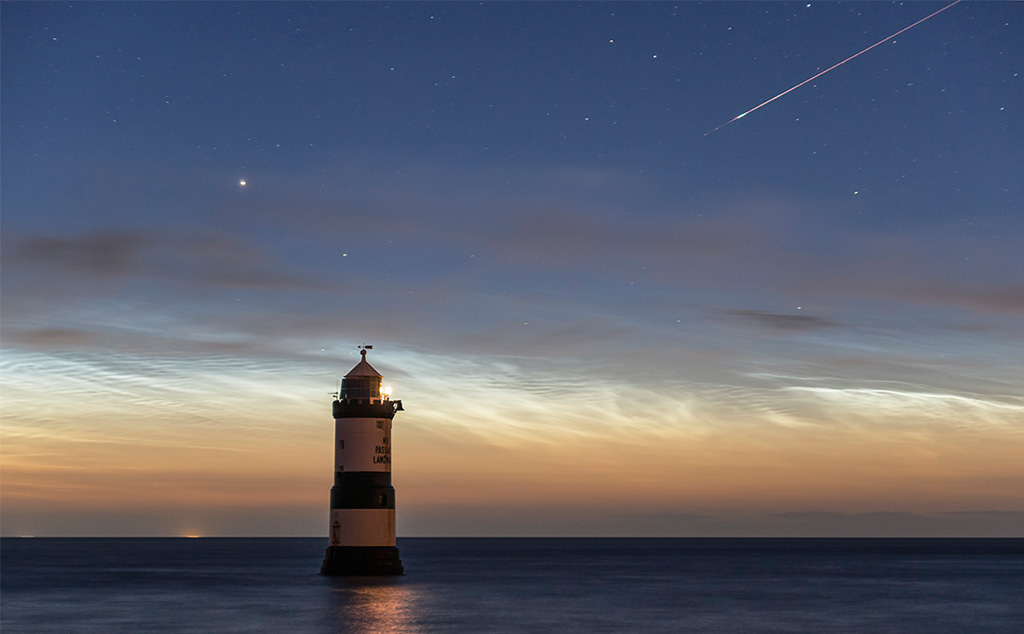
A noctilucent cloud and a bright Meteor caught over the Black Point lighthouse (Wales) – June 7th 2015 © Kris…
Bright Perseid meteor over Edlingham Castle in Northumberland, England. August 12, 2013. © REXF. Radiant Positions at 9pm Local Daylight…
The American Meteor Society received over 20 reports so far about a bright meteor (maybe a fireball) that occurred over…